Harvesting tomorrow with Farm Forensics: AI Revolutionizing Plant Disease Detection in Agriculture
Author: Joel Joy
“If agriculture goes wrong, nothing else will have a chance to go right in the country” – M S Swaminathan, Indian agronomist and agricultural scientist
Agriculture stands as the backbone of many economies worldwide, playing a vital role in ensuring food security and sustaining livelihoods. In India, agriculture is not only a significant contributor to the national economy but also a source of livelihood for a substantial portion of the population. According to the latest statistics (FY 2021-22) from the Department of Agriculture and Farmers Welfare (DAFW) , agriculture contributes approximately 18.8 % to India’s Gross Value Added (GVA), making it a crucial sector for economic growth and development. According to the Food and Agricultural Organisation(FAO) reports , India is the world’s largest producer of milk, pulses and jute and ranks as the second largest producer of rice, wheat, sugarcane, groundnut, vegetables, fruit and cotton.
What is the problem?
However, the productivity and sustainability of agricultural systems face numerous challenges, among which plant diseases pose a significant threat.
Plant diseases have significant implications for crop yield and the agricultural economy:
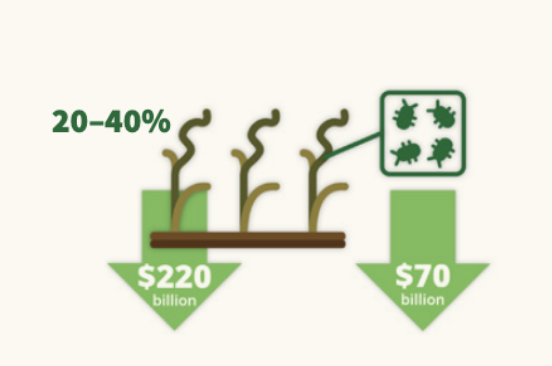
Reduced Crop Yield : Diseased plants often have lower photosynthetic efficiency, leading to reduced growth and yield. Fungal infections, for instance, can cause premature death of plant tissues, affecting overall productivity. FAO states that plant diseases can cause up to 40% reduction in crop yields globally, highlighting the urgent need for effective disease management strategies.
Quality Loss : Diseases can impact the quality of harvested crops, making them unsuitable for consumption or commercial use. This not only affects farmers but also consumers and industries relying on these crops.
Economic Loss : Crop diseases result in economic losses for farmers due to reduced yields and the costs associated with disease management practices, including pesticides and other control measures. According to FAO the loss in global production causes 200 billion dollars globally.
Food Security Concerns : Plant diseases threaten global food security. With a growing population, ensuring healthy and disease-free crops is crucial to meet the increasing food demand worldwide. FAO estimates that the world will need 50 % more food by 2050 to feed the increasing global population in the context of natural resource constraints, environmental pollution, ecological degradation and climate change. This means we have to produce more with less by increasing productivity and healthy diets, reducing crop and food loss, and saving natural resources
What do we know?
There has been a huge number of strides seen in plant pathology from 1888 till 2015. Various dangerous diseases among agricultural plants have been discovered in that time period.
One such instance is the discovery of blight disease in the potato plants. According to an article by College of Agriculture, Health and Natural resources, University of Connecticut , blight disease variants were first reported in the 1830s in Europe and in the United States of America.
The Great Hunger of Ireland
Potato Blight is famous for being the cause of the 1840s Irish Potato Famine, when a million people starved and a million and a half people emigrated. Late blight continued to be a devastating problem until the 1880s when the first fungicide was discovered. In recent years, it has re-emerged as a problem. It is favoured by cool, moist weather and can kill plants within two weeks if conditions are right.
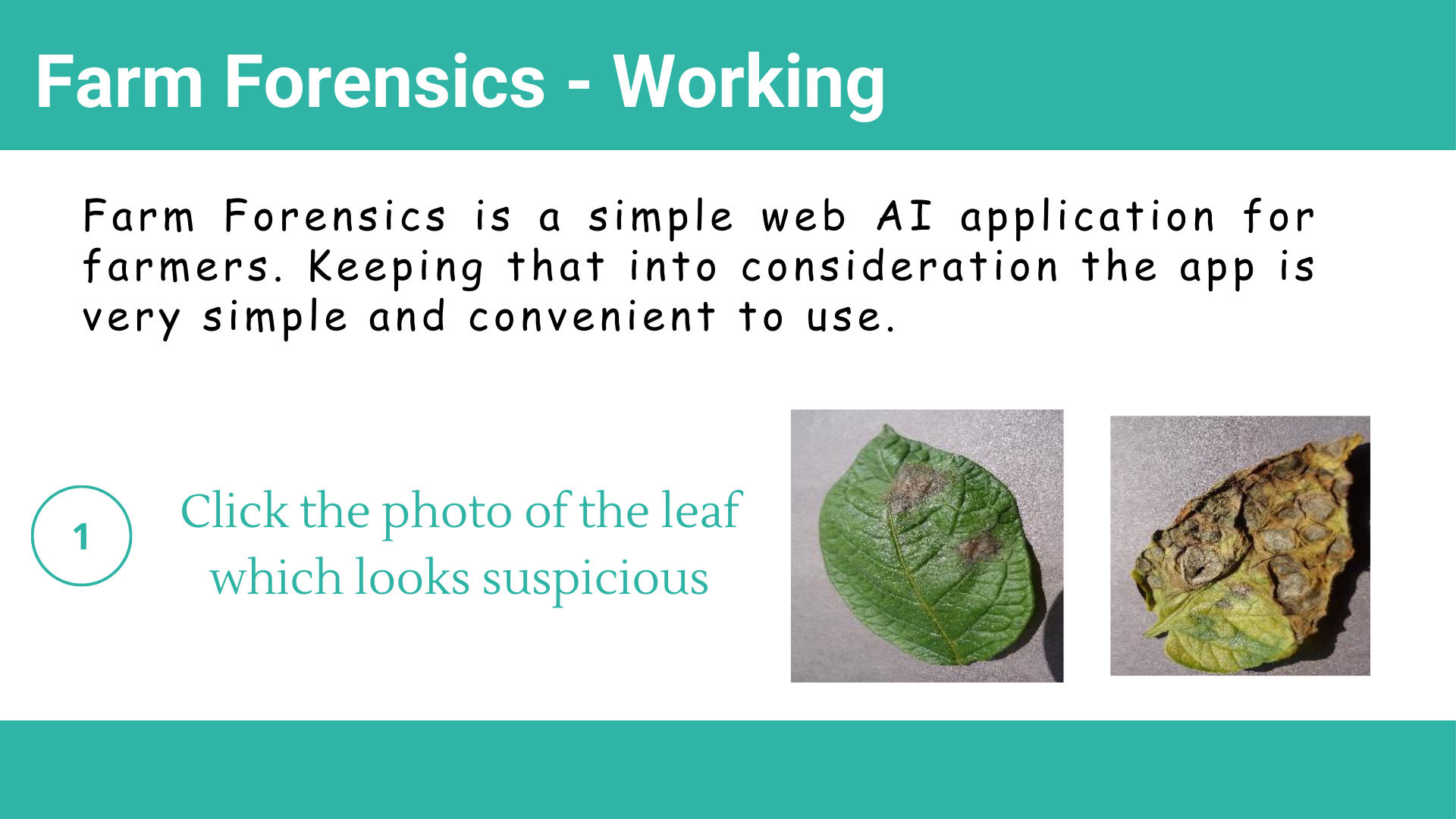
Source: Kaggle – Plant Village Dataset
Farmers encounter several challenges when it comes to identifying and managing plant diseases:
Early Detection Difficulties : Traditional symptoms of diseases often become visible only at later stages of infection. When farmers notice these symptoms, the condition might have spread significantly, making it harder to control.
Variability in Symptoms : Diseases can manifest differently based on factors like plant species, soil conditions, and climate. Recognizing these variations requires a keen eye and experience, which not all farmers possess.
Time and Resource Constraints : Conducting manual inspections across extensive farmlands is time-consuming and labour-intensive. Farmers may need more resources to inspect each plant regularly, leading to delayed detection and response.
Traditional methods of disease detection, such as visual inspection and manual diagnosis, have their limitations:
Subjectivity : Visual inspection relies on the observer’s expertise and may be subjective. Different individuals might interpret symptoms differently, leading to inconsistencies in diagnosis.
Time-Consuming : Manual inspection of crops is a time-consuming process, especially in large agricultural fields. This delay in detection can allow diseases to spread rapidly, leading to substantial crop damage.
Dependency on Environmental Conditions : Weather conditions, lighting, and other environmental factors can affect the visibility of disease symptoms. This dependency can further complicate accurate disease diagnosis.
Early and accurate disease detection is crucial for preventing yield loss and optimizing resource use.
How Modern Technology can help us with this problem?
“Agriculture is our wisest pursuit, because it will in the end contribute most to real wealth, good morals & happiness.” – Thomas Jefferson, 3rd United States President
With the advent of technology, particularly smartphones and Artificial Intelligence (AI), there exists a remarkable opportunity to revolutionize the way we approach disease detection in crops. According to a survey , the number of smartphone users in India was estimated to reach over one billion in 2023. It was estimated that by 2040, the number of smartphone users in India will reach 1.55 billion. Another survey shows that 70 – 80% of the farmers in India have access to a smartphone. AI into smartphone apps for plant disease detection enhances accessibility, affordability, and efficiency, empowering farmers with tools to protect their crops and livelihoods.
Let’s see it from a farmer’s perspective
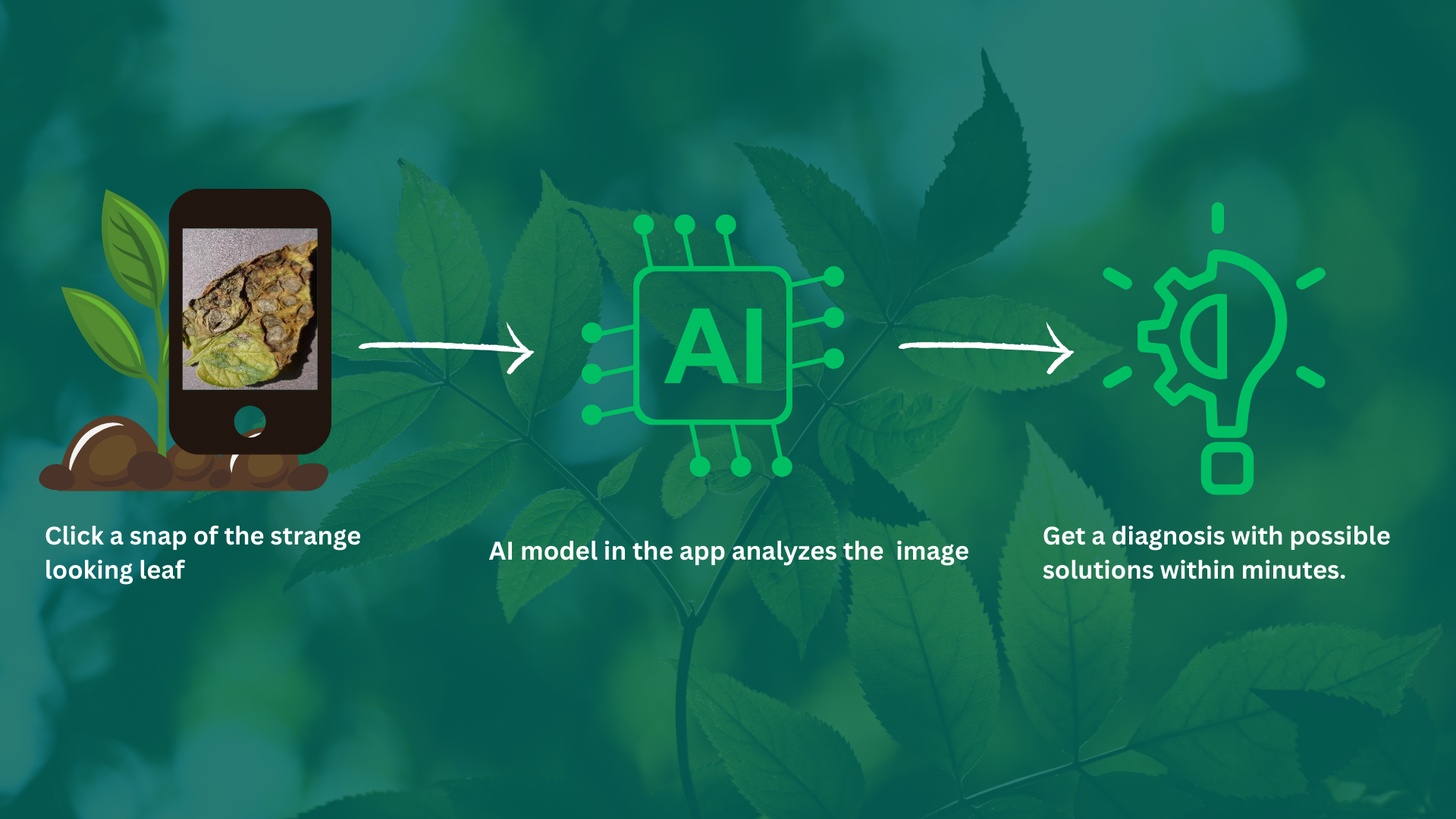
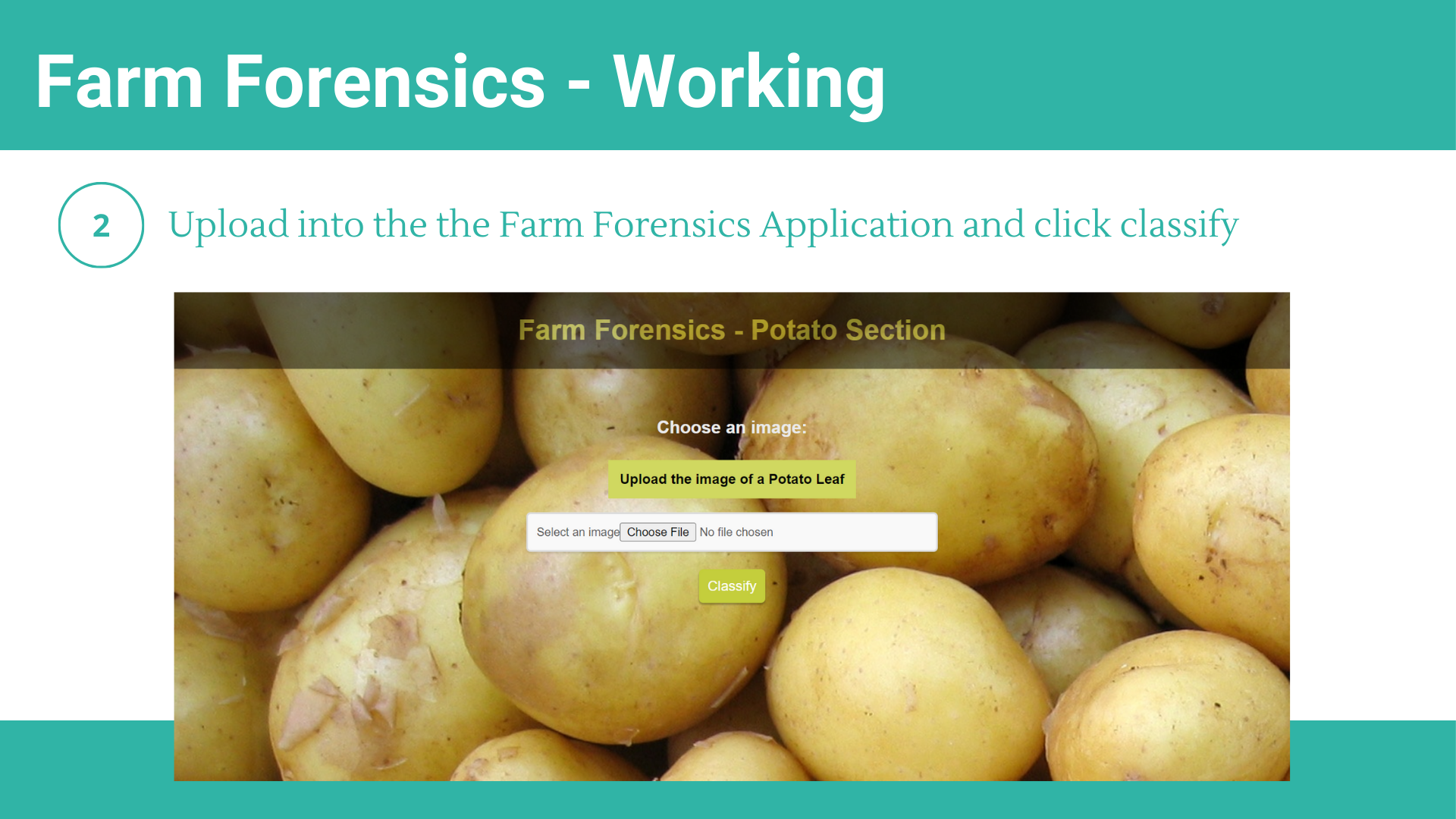
Imagine a farmer noticing something strange with their plants — maybe they have spots or look unhealthy. In case they are not familiar with the observation, they can open up an app on their smartphone, point the camera at the plant, and snap a picture. Upload to it the application.
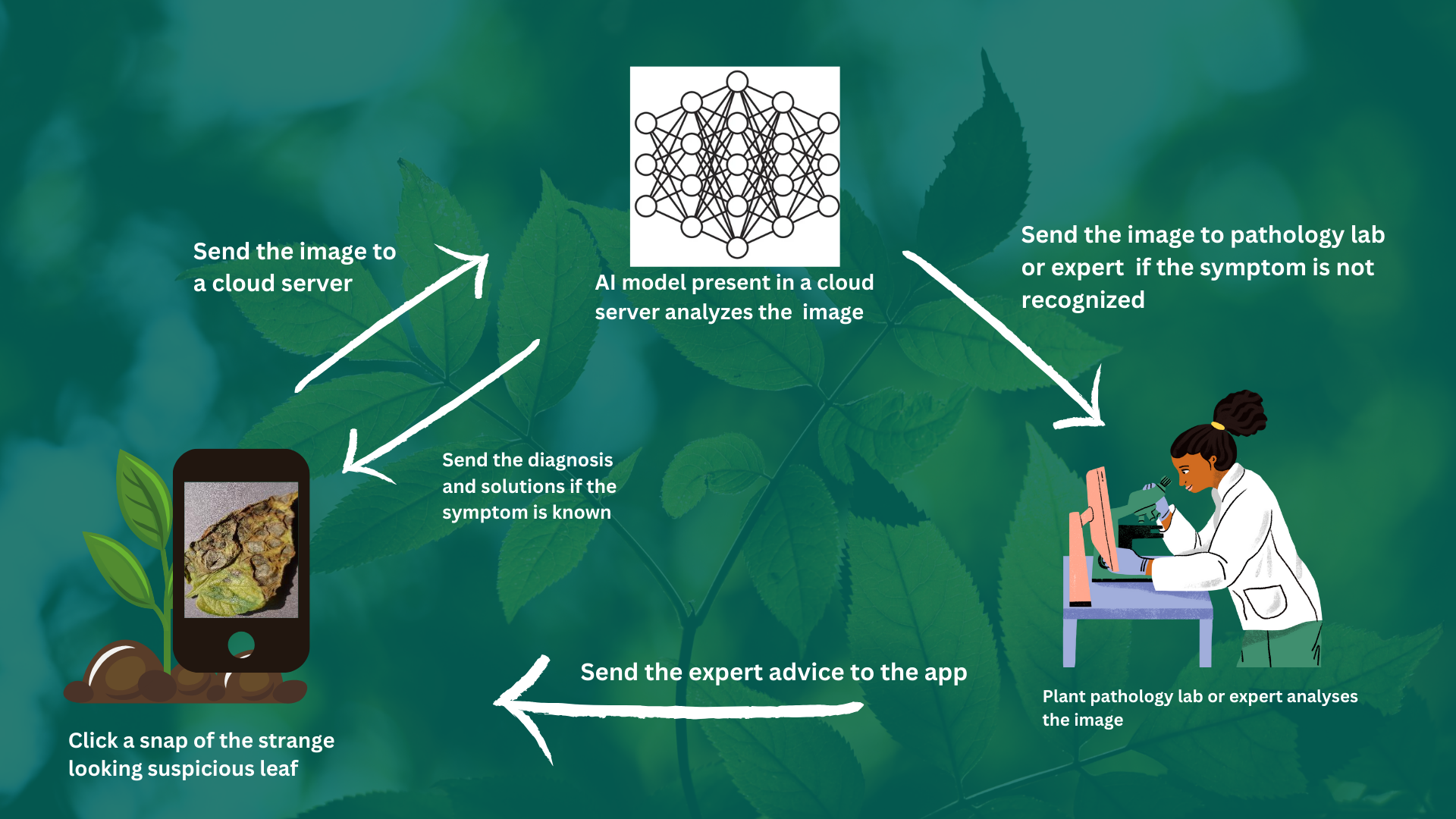
Now there are 2 possible approaches the application can take:
With the help of advanced image processing models trained using an extensive sample space of images, the AI under the hood analyses the image and gives an accurate response about the malignity and the precautionary measures.
The app sends the image to a server where AI models are present and they analyse the image and send back a response with the diagnosis and a feasible solution to alleviate the symptoms. If the AI does not recognise the symptom, it sends the image to a plant pathology lab or expert and gets back along with their advice.
Such an AI-driven approach empowers farmers with rapid and scalable solutions, enhancing their ability to protect crops and ensure food security. AI-driven disease classification not only expedites the detection process but also provides valuable insights, enabling farmers to optimize resources.
The benefits of using such AI detection systems are:
Timely Disease Detection : AI enables early detection of diseases, allowing farmers to implement timely interventions, preventing extensive crop damage and ensuring higher yields.
Precision Agriculture : AI facilitates precision agriculture by enabling targeted application of treatments reducing the use of pesticides and fertilizers, which contributes to environmental sustainability.
Increased Productivity : By mitigating crop losses, AI-driven disease management enhances agricultural productivity, supporting farmers’ livelihoods and contributing to economic growth.
Environmental Conservation : Reduced use of chemical inputs due to targeted treatments minimizes environmental pollution, benefiting ecosystems and biodiversity.
Data-Driven Insights : AI systems generate valuable data and insights, enabling data-driven decision-making for farmers, agricultural researchers, and policymakers, leading to informed agrarian practices and policies.
Farm Forensics – The Sherlock of Agriculture
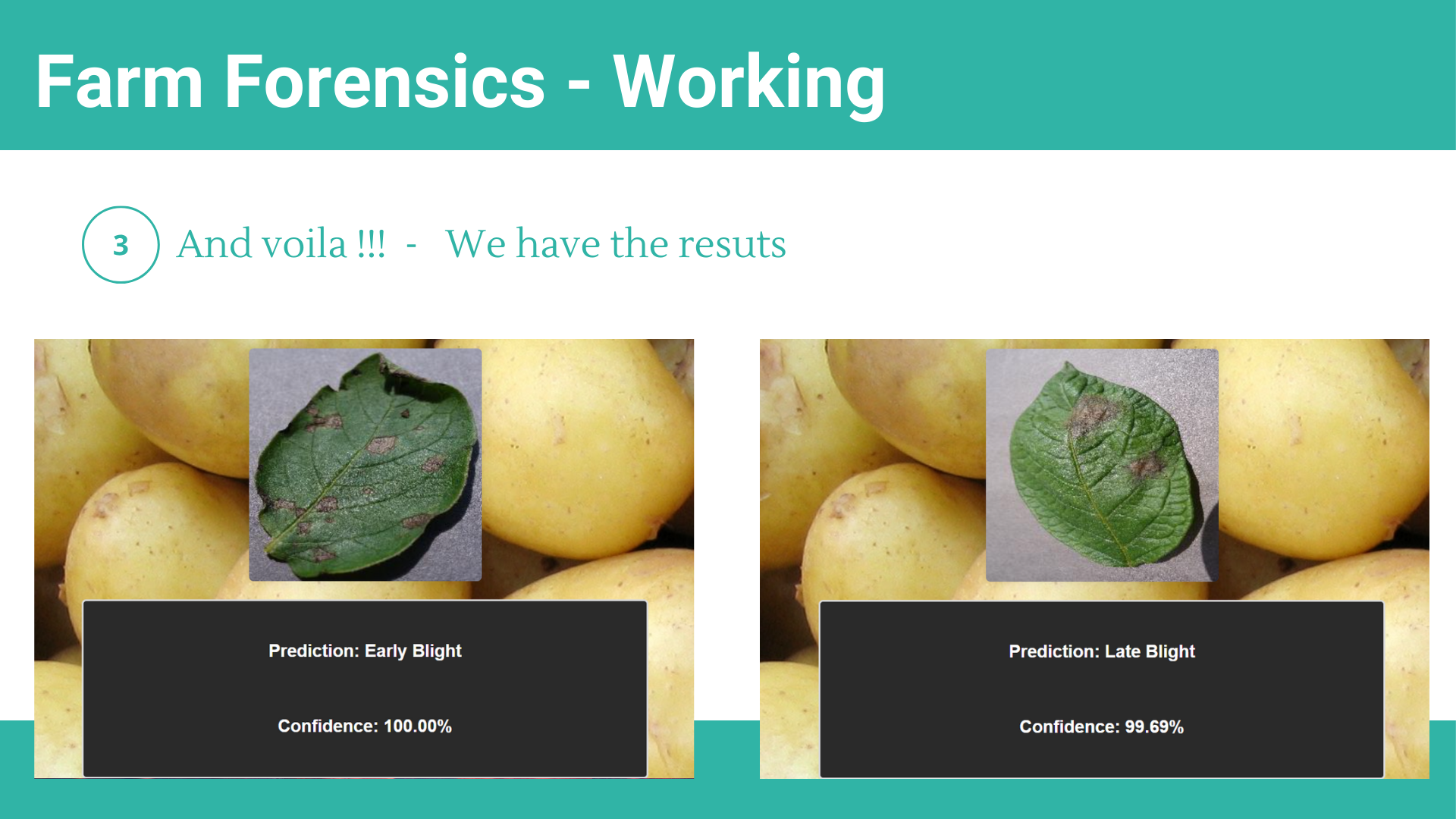
The first method for the use case of detecting potato blight disease is demonstrated here by Farm Forensics, which employs a basic Deep Learning model called a Convolution Neural Network (CNN).
Future seems bright for the Sherlock of Agriculture
Farm Forensics is a simple to use web-based utility, still in its nascent stages and aims to cover most of the agricultural plants’ diseases and help the farmers. It aims to connect domain experts and deliver accurate knowledge to the farmers.
The future of AI in agriculture is promising, with ongoing research and innovation poised to revolutionize the industry further. Advancements in AI algorithms, coupled with the proliferation of IoT devices and sensors in agricultural settings, will enable more comprehensive and real-time monitoring of crops. AI-powered predictive models will anticipate disease outbreaks, optimize irrigation, and enhance farm management.
“Agriculture changes the landscape more than anything else we do. It alters the composition of species. We don’t realize it when we sit down to eat, but that is our most profound engagement with the rest of nature.” – Michael Pollan, American author and journalist
As we move forward, embracing the full potential of AI in agriculture and disease management will be crucial. Continued research, investment, and adoption of AI technologies will pave the way for a future where farmers can produce bountiful, sustainable harvests, ensuring a stable food supply for growing populations and a healthier planet for all.





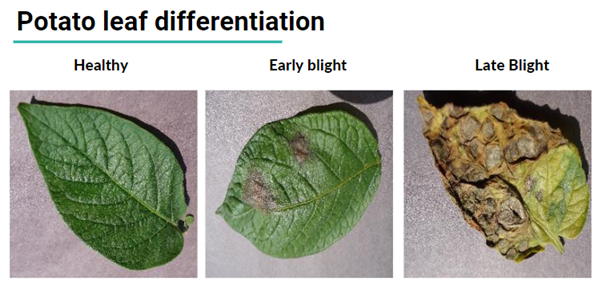 Source: Kaggle – Plant Village Dataset