

4TH ANNUAL
SYMPOSIUM ON DATA FOR
PUBLIC GOOD

Trusted AI
Data Platform

Making Digital Public Infrastructure AI-Ready

DATES

September 24-25, 2026

VENUE

AV Rama Rao Auditorium, ​Chemical Sciences Building, IISc

Enterprise AI is being throttled by fragmented data landscapes.

CDOs say their biggest barriers to powering AI with data are accessibility, completeness, integrity, accuracy, and consistency.

IBM Chief Data Officer Study · 2025

About the Symposium

India's Defining Forum for Trusted AI Infrastructure

Organised by the Centre of Data for Public Good (CDPG) at IISc Bengaluru, the 4th Annual Symposium on Data for Public Good brings together leaders to build the trusted data foundations that power responsible and inclusive AI for a better future.

A Strategic Evolution

From an academic convening platform to one of India’s defining ecosystem forums for trusted AI infrastructure, sovereign data exchange, and responsible digital public systems.

2026: A Defining Moment

Trusted AI Data Exchanges will define the next generation of globally relevant AI ecosystems — secure, interoperable, accountable, and built for societal value.

The Real Challenge

It is not model capability alone — it is the ability to securely exchange, govern, and derive intelligence from distributed datasets.

The Urgent Reality

Only 13% of India's top AI companies operate at the infrastructure and middleware layer — yet analysts identify it as the highest white-space opportunity with the steepest barriers to entry.


PROGRAMME — DAY 1

Plenary · 24 September 2026

Main stage · IISc Bengaluru

09:00–10:00

Registration

Delegate arrival, networking, and exhibition walk

REGISTRATION
10:00–10:15

Welcome address — CDPG & IISc Leadership

Setting the strategic context for the symposium

OPENING
11:00–11:30

Keynote 1

Lorem ipsum

KEYNOTE
11:30–12:00

Keynote 2

Lorem ipsum

KEYNOTE
12:00–1:30

Main panel

Lorem ipsum

PANEL
1:30 – 2:20
Lunch & Networking
2:30–4:00

Breakout 1

Lorem ipsum

PANEL
2:30–4:00

Breakout 2

Lorem ipsum

PANEL
2:30–4:00

Breakout 3

Lorem ipsum

PANEL
4:10 – 4:30
Tea Break
4:30–5:30

Keynote 3

Lorem ipsum

KEYNOTE
5:00–5:20

Hackathon

PANEL
5:20–5:30

Closing remarks

Lorem ipsum

CLOSING

Agenda

Coming Soon

Please stay tuned—this section will be updated shortly.

Why attend

Learn from Global
Experts

Discover Real-World AI & DPI Deployments

Connect with Government & Industry Leaders

Explore Emerging
Technologies
Understand Policy &
Standards
Build Partnerships for
Public Good

Who Should Attend?

Government &
Policymakers
Healthcare & Public Health
Leaders
Industry & Enterprise
Leaders
Sustainability
Experts
Startups &
Entrepreneurs
Geospatial & Urban
Innovation Practitioners
Researchers, Faculty
& Students
Development Organizations
& Civil Society
AI, Data & Technology
Professionals
Anyone passionate about
AI and data solutions

The Strategic Proposition

From Digital Public Infrastructure to AI Infrastructure

India has built world-leading digital public infrastructure. The next frontier is building trusted AI data exchange infrastructure that enables secure collaboration, privacy-aware intelligence, and interoperable innovation at national scale.

Only 13% of India’s top AI companies operate at the infrastructure and middleware layer — yet analysts identify it as the highest white-space opportunity with the steepest barriers to entry.

Partners

Coming Soon

Please stay tuned—this section will be updated shortly.

URBAN AI PARADOX

Cities Want AI. Cities Have the Data.
The Trust Infrastructure Is Missing.

The challenge isn’t AI capability. The data exists. The AI exists. What’s missing is the trusted operating layer between them — consent, anonymisation, audit, governance — that allows AI to act on city data safely, accountably, and at scale.

Only 13% of India’s top AI companies operate at the infrastructure and middleware layer — yet analysts identify it as the highest white-space opportunity with the steepest barriers to entry.
WHAT CITIES WANT

  • Faster decisions and predictive planning
  • Better citizen services at lower cost
  • Increased operational efficiency
  • Autonomous workflows across departments
  • Improved accountability and public trust

WHAT CONSTRAINS THEM

  • Data siloed across departments with no exchange layer
  • 68% of city staff using unauthorised AI on sensitive data
  • 50% of residents uncomfortable with how governments use AI
  • Compliance, audit, and consent requirements unsolved at scale
  • Legacy stacks and organisational fragmentation

FEDERATED LEARNING IN PRODUCTION

What Trusted Data Exchange Unlocks:
Real-World Outcomes

When trusted infrastructure removes the data-sharing barrier, AI outcomes dramatically improve — without any organisation surrendering control of its data.

+30%

Zurich Insurance +
Orange Telecom

Zurich’s predictive algorithm trained on Orange’s telecommunications data through federated learning — without Orange releasing any data. 30% improvement in AI prediction accuracy. Zero data shared.

+33%

Brain Tumour Detection — 70+ Institutions, 6 Continents

INTEL / FEDTECH MAGAZINE · 2025

University of Pennsylvania + Intel + 70+ medical institutions. Models trained locally, encrypted updates shared. 33% improvement in brain tumour detection. No patient record crossed any institutional boundary.

+10%

Global Bank + Telco — Loan Default Prediction

A major bank’s credit unit fine-tuned its default prediction algorithm using a telco’s data via federated learning. 10% accuracy improvement — without either party sharing any raw customer data.

Live

Google Cloud + SWIFT + 12 Global Banks — Federated Fraud Detection

GOOGLE CLOUD / GRAND VIEW RESEARCH · DECEMBER 2024

Banks share fraud labels through encrypted federated channels. Sensitive transaction data remains encrypted throughout and never leaves any bank’s infrastructure. Running in production.

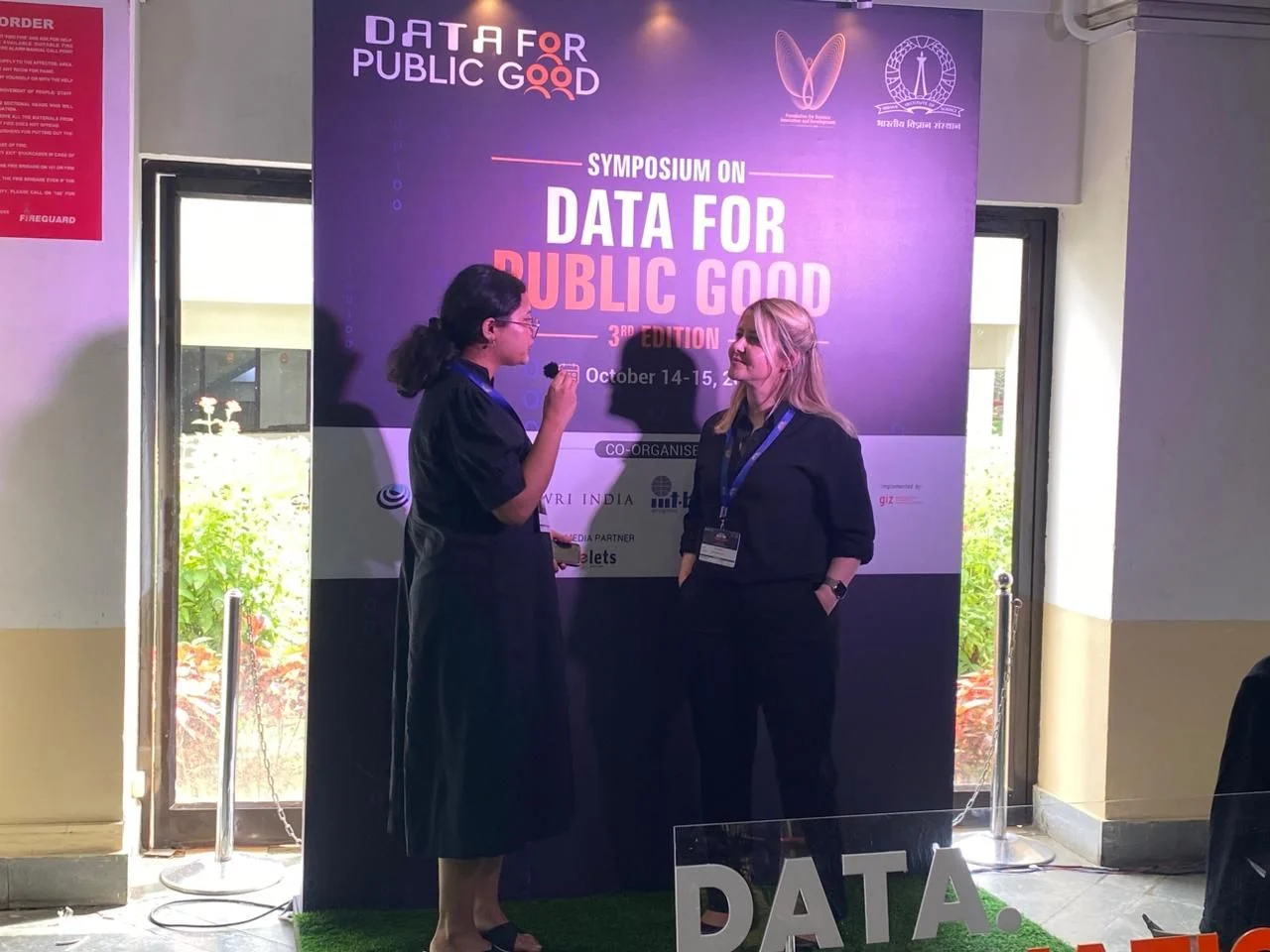
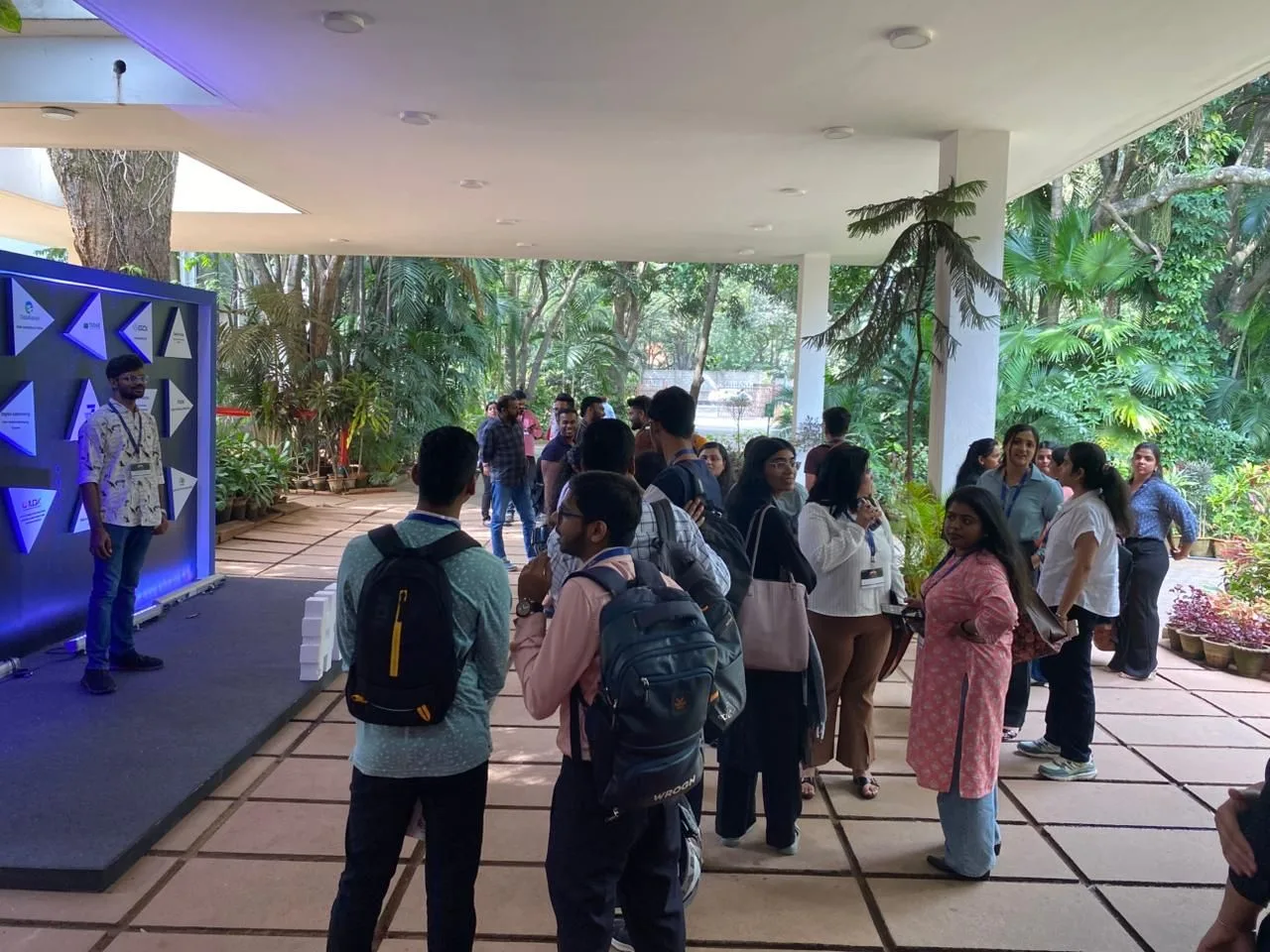
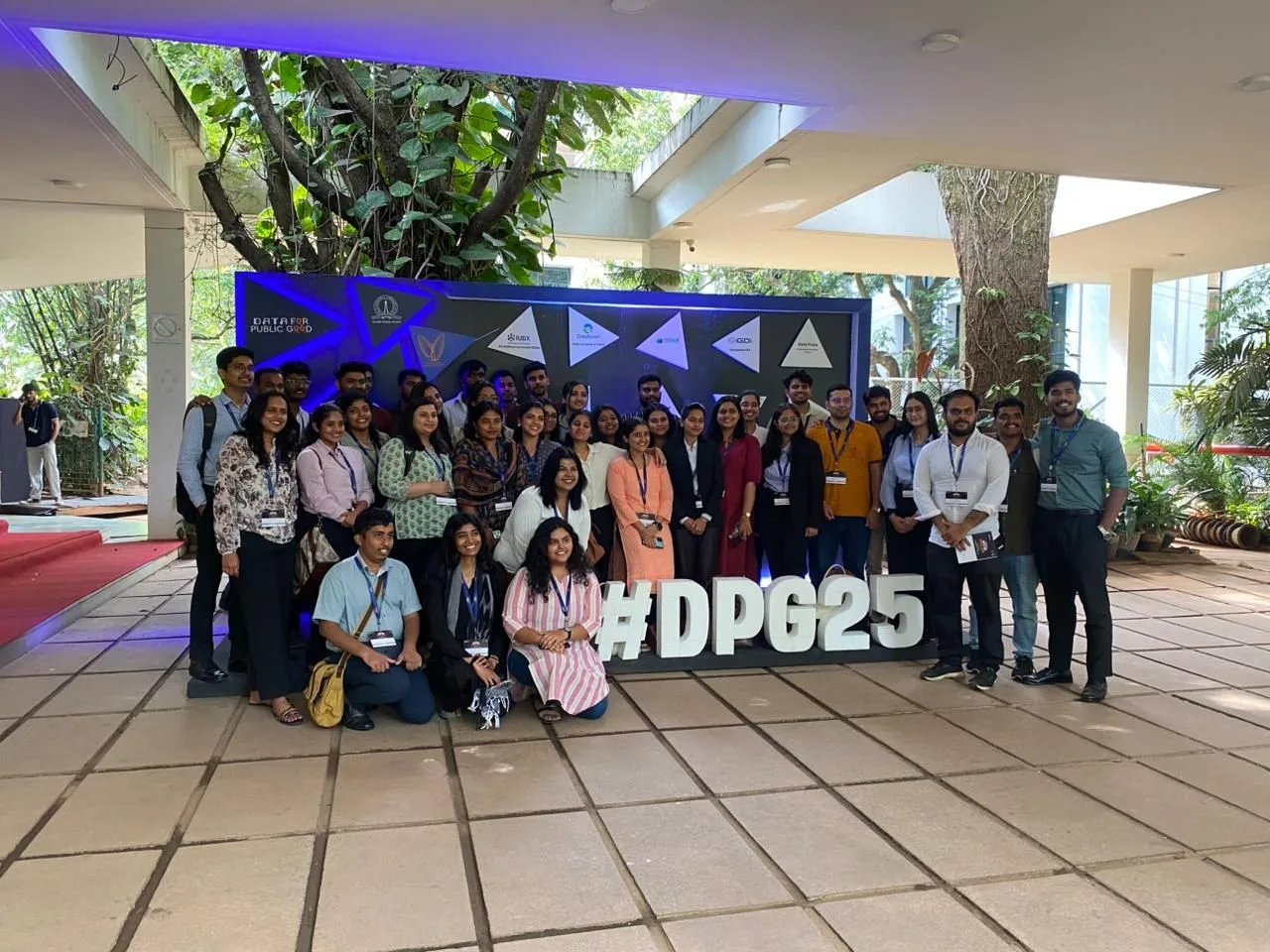
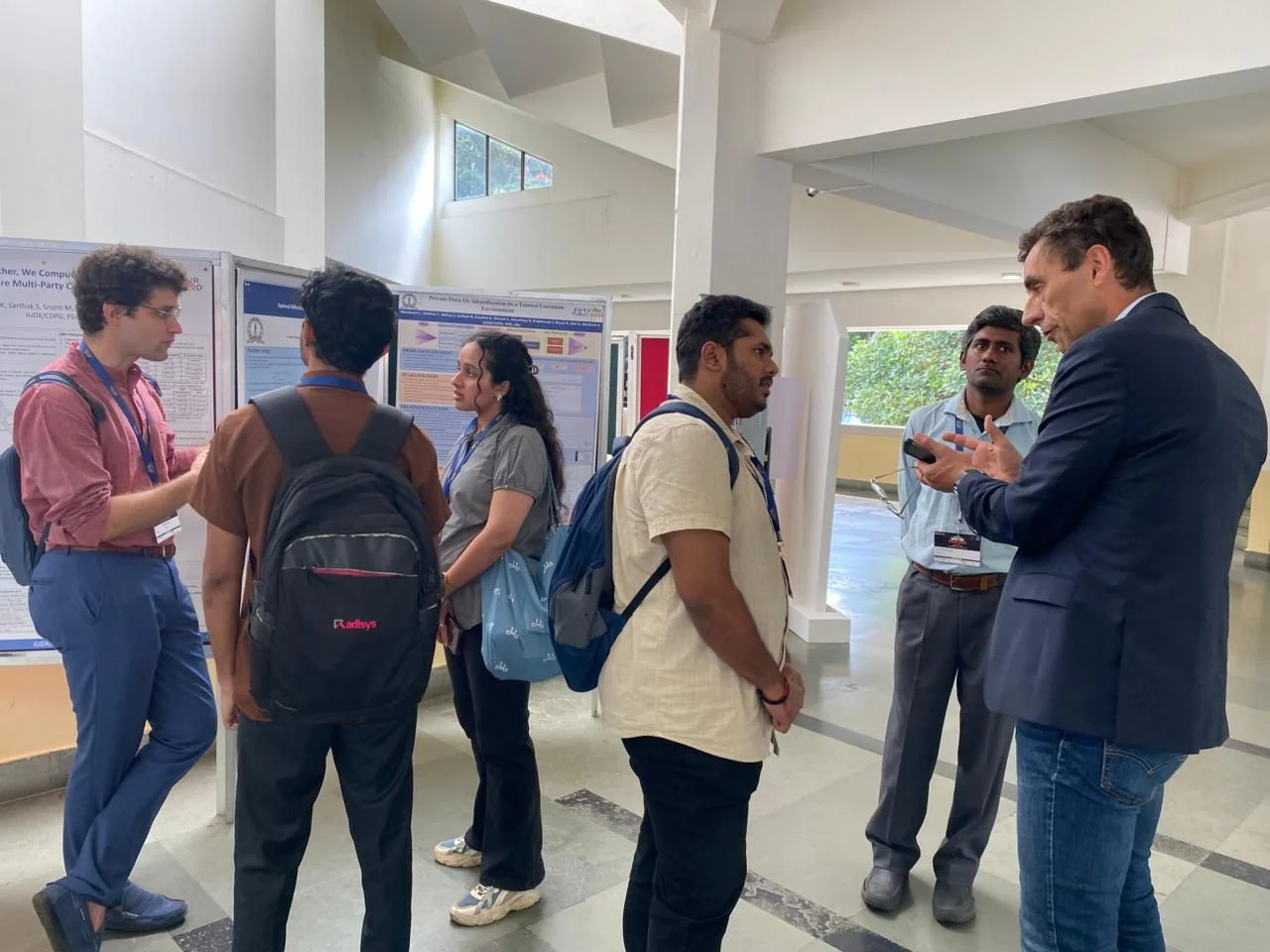
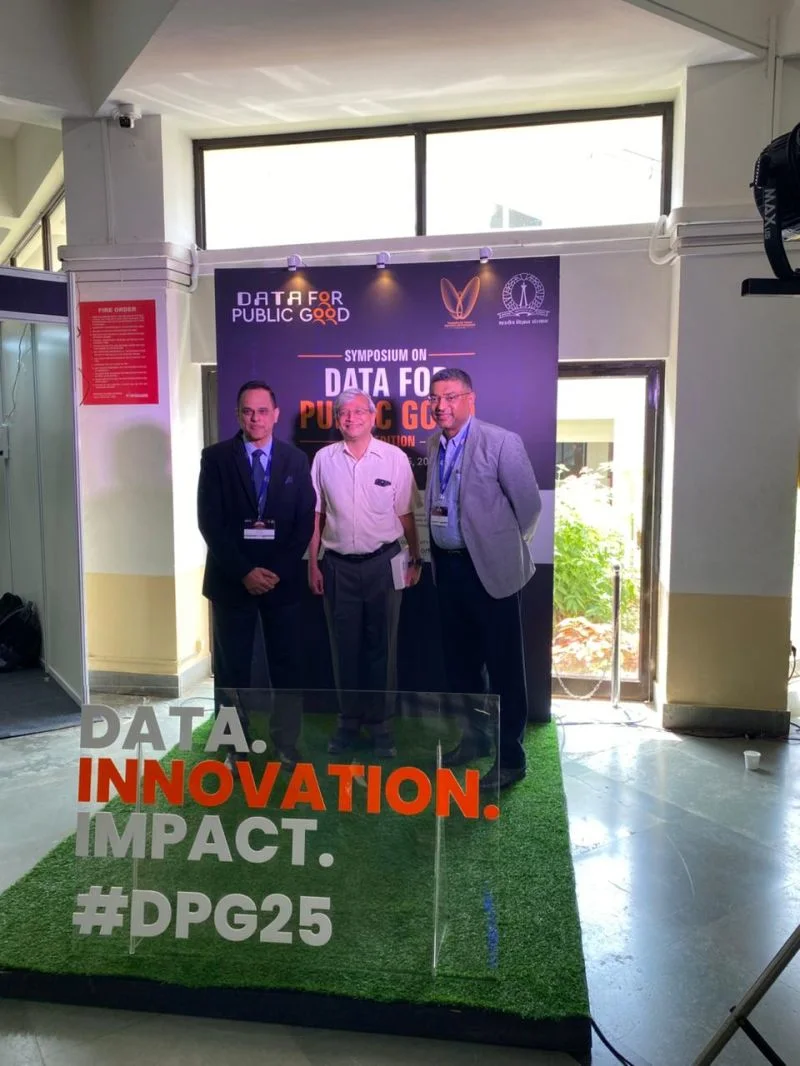
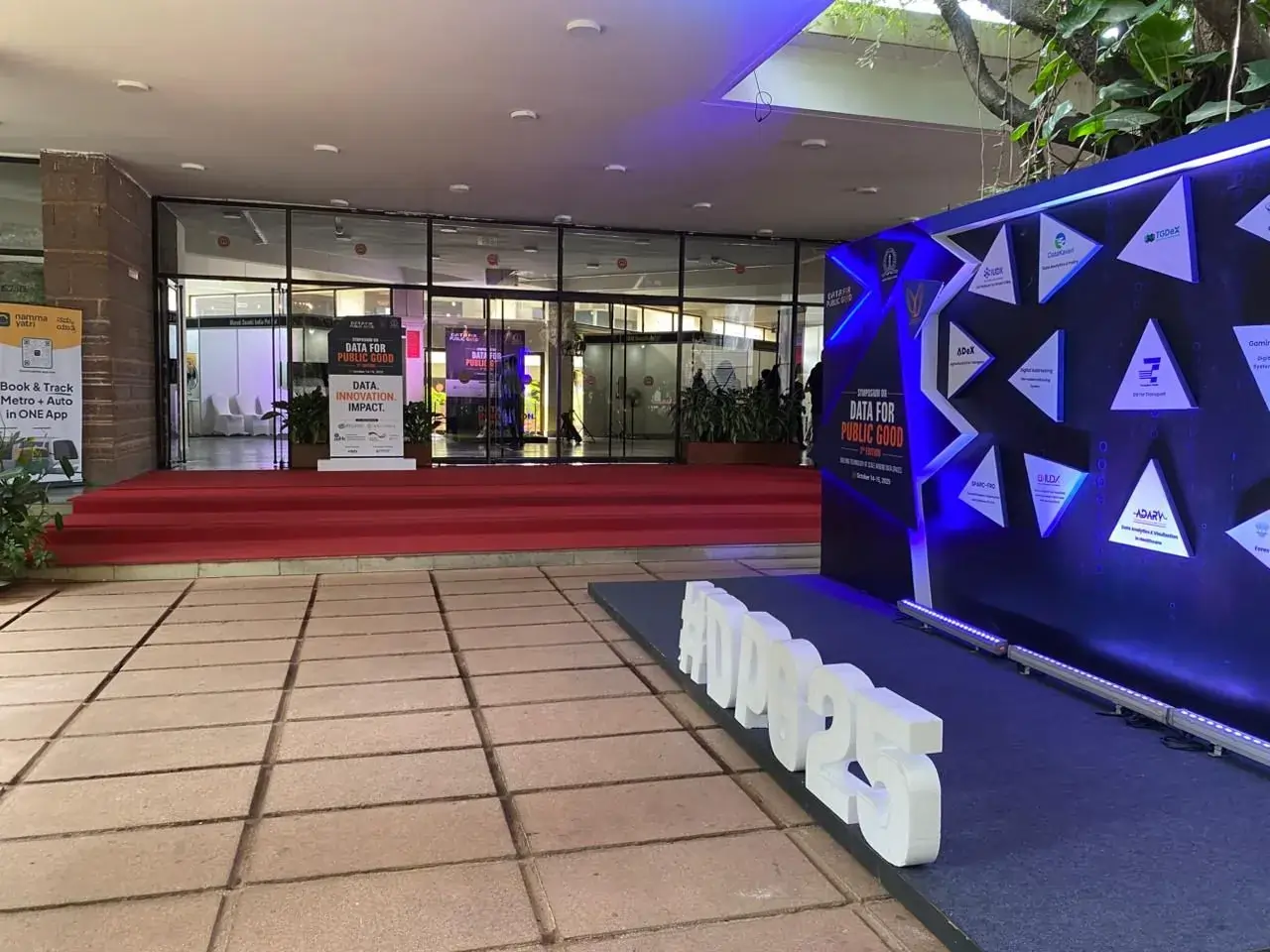
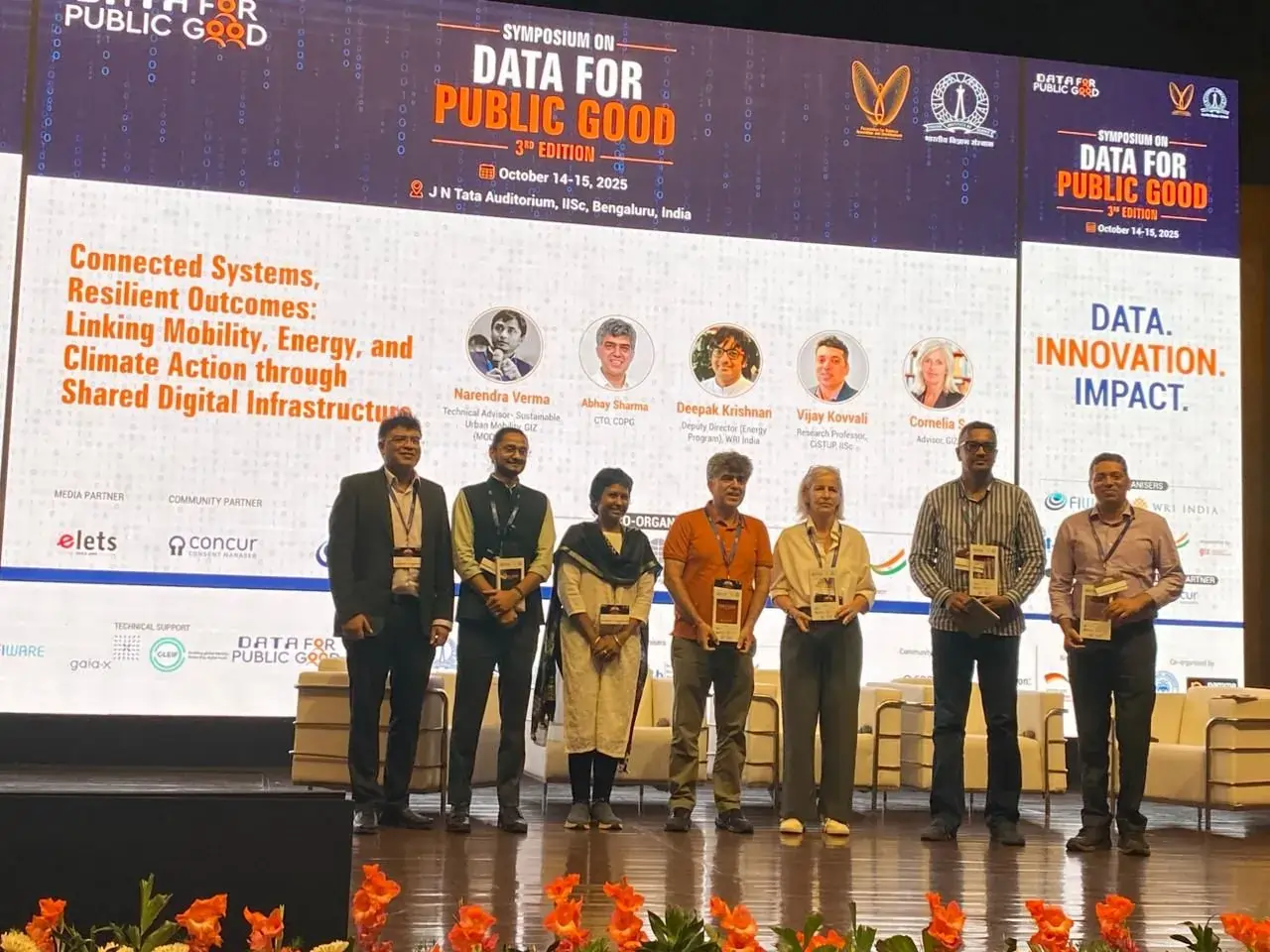
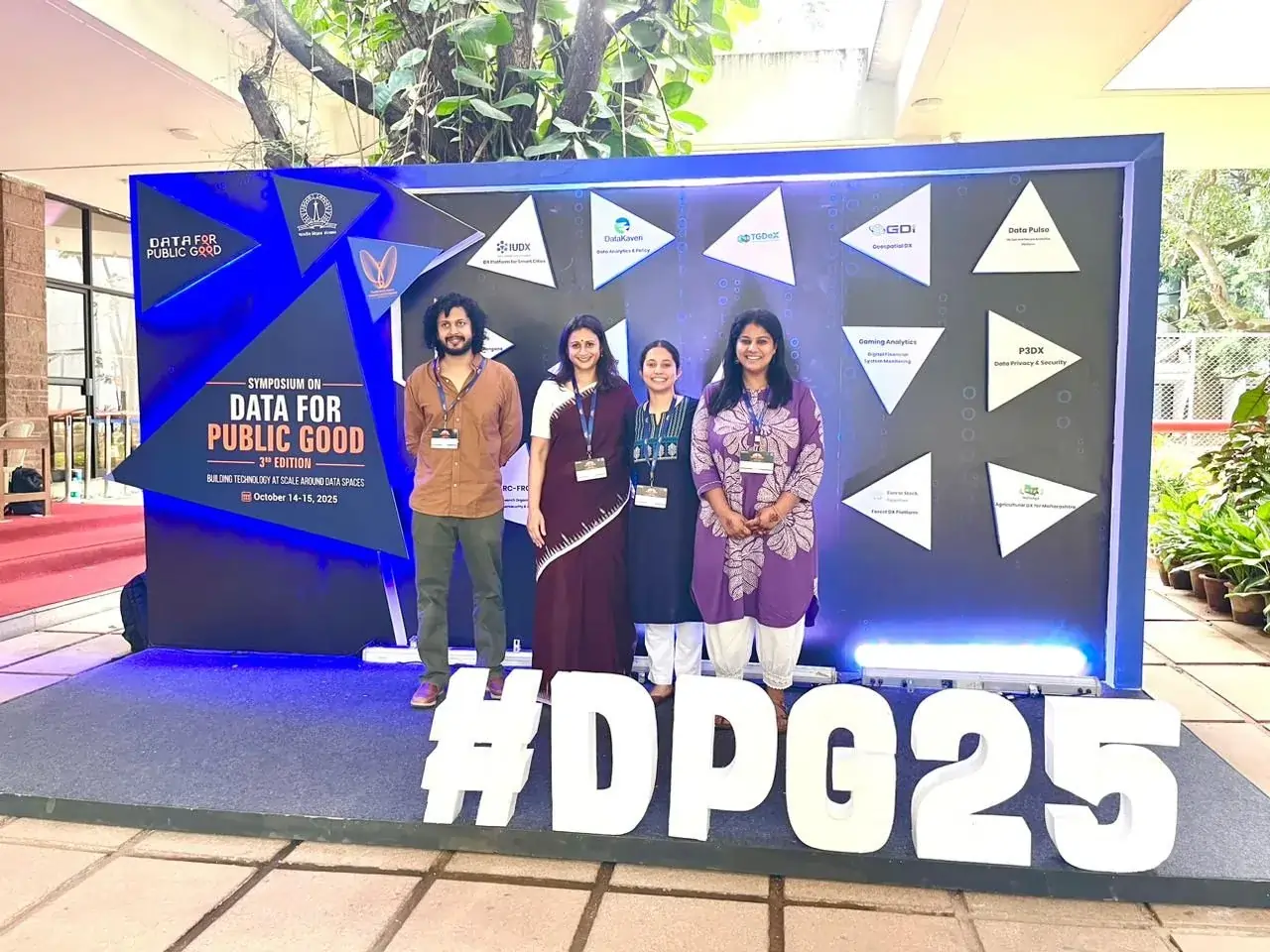
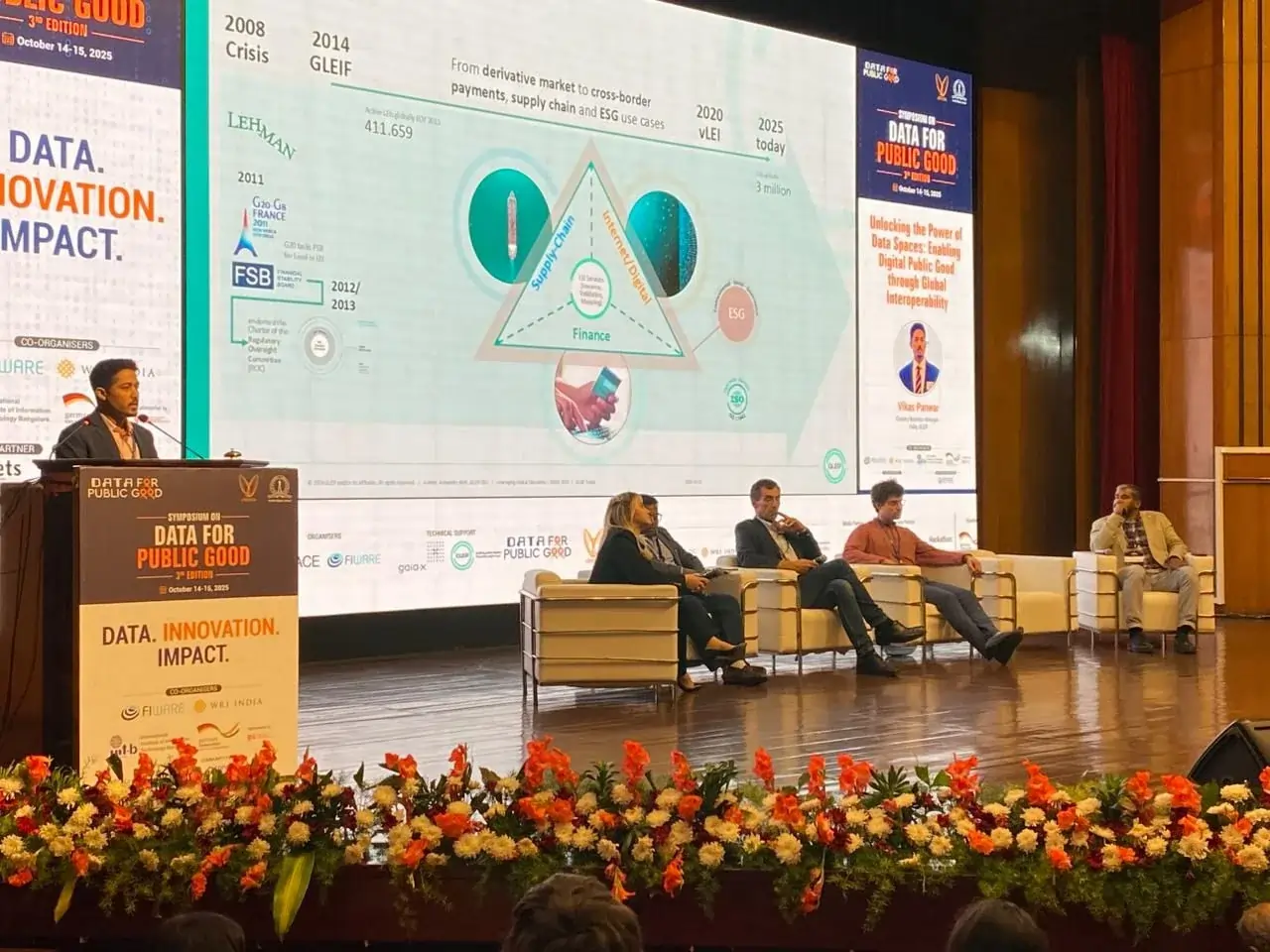
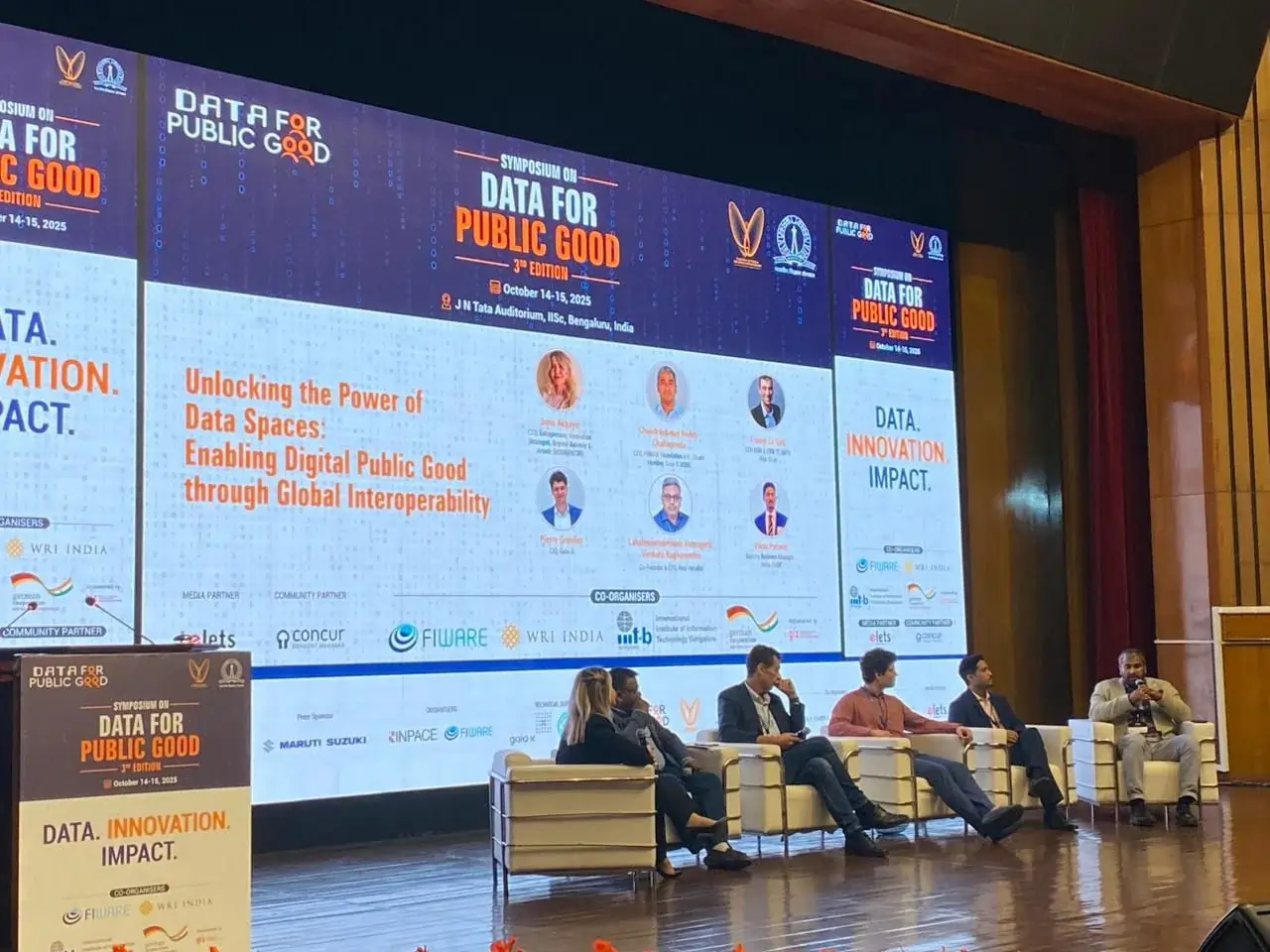
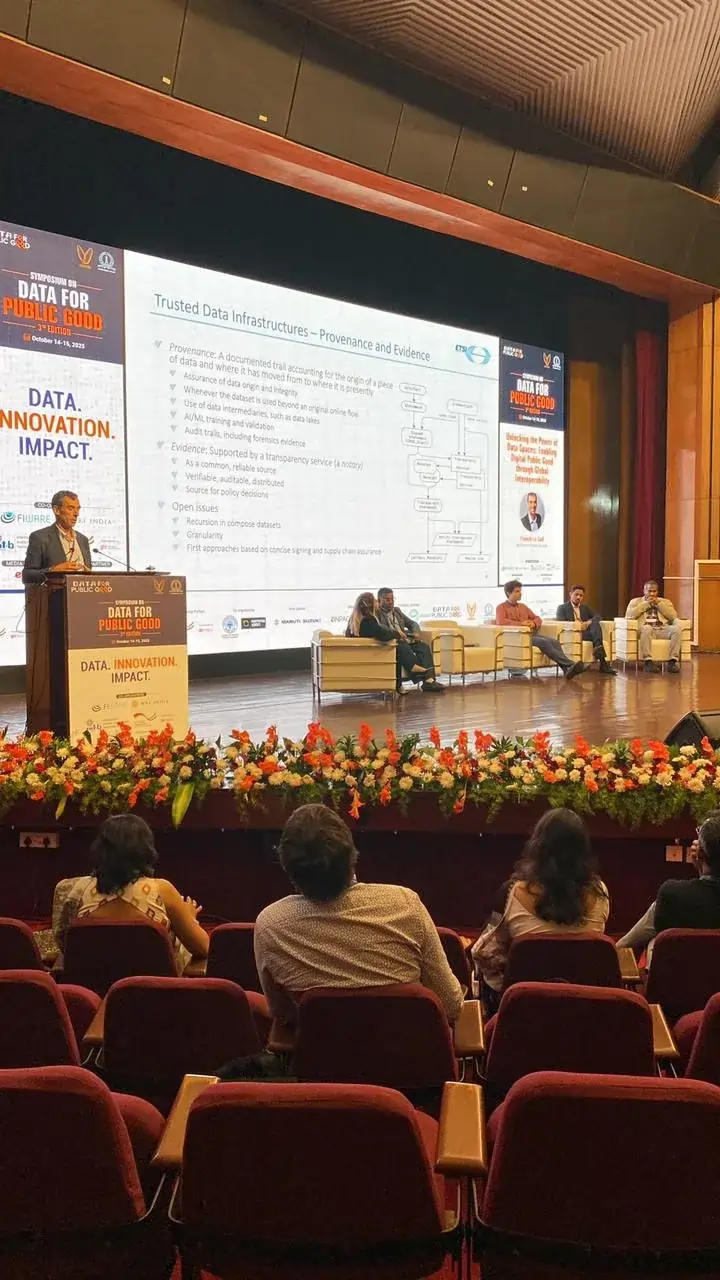
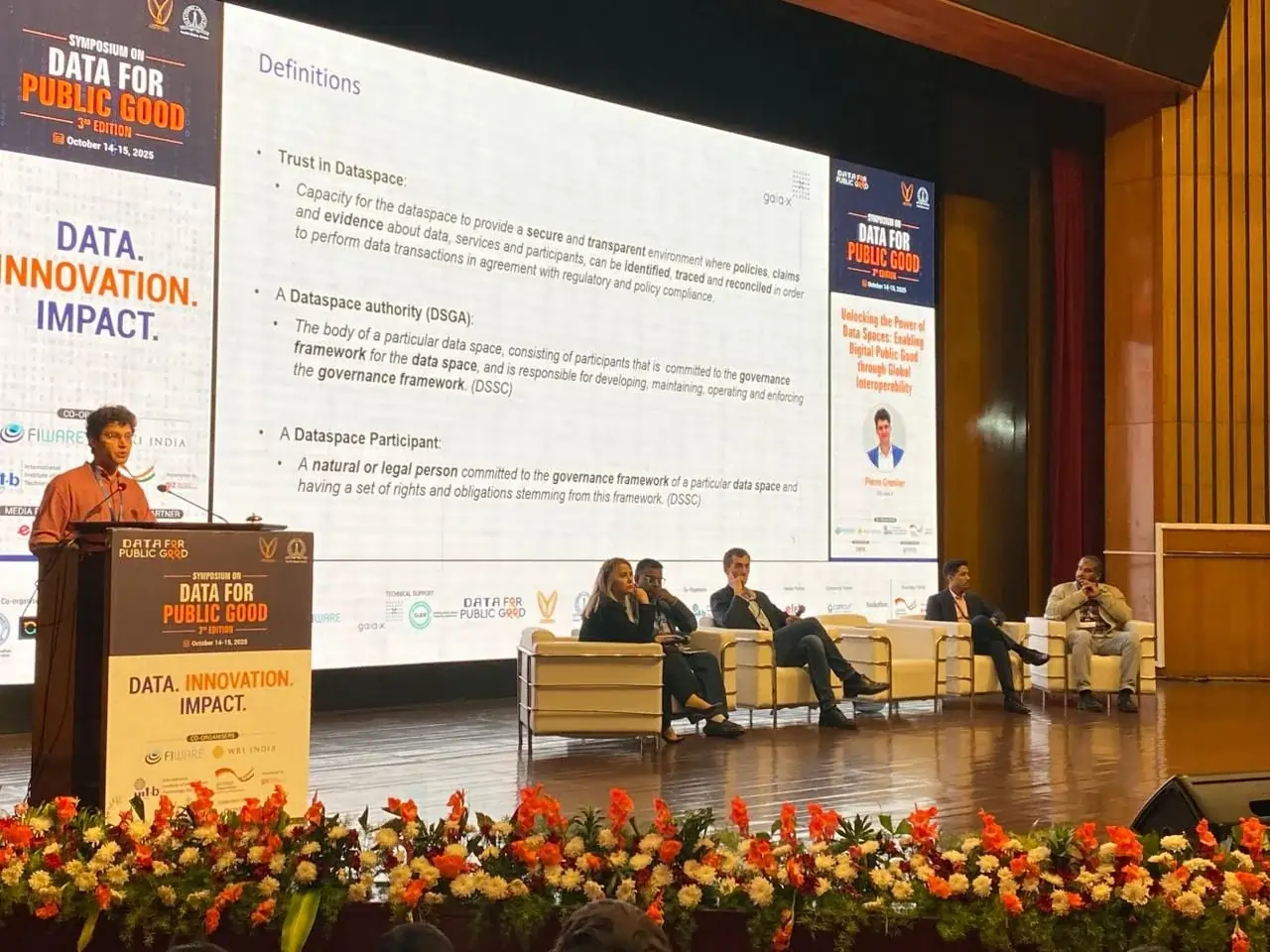
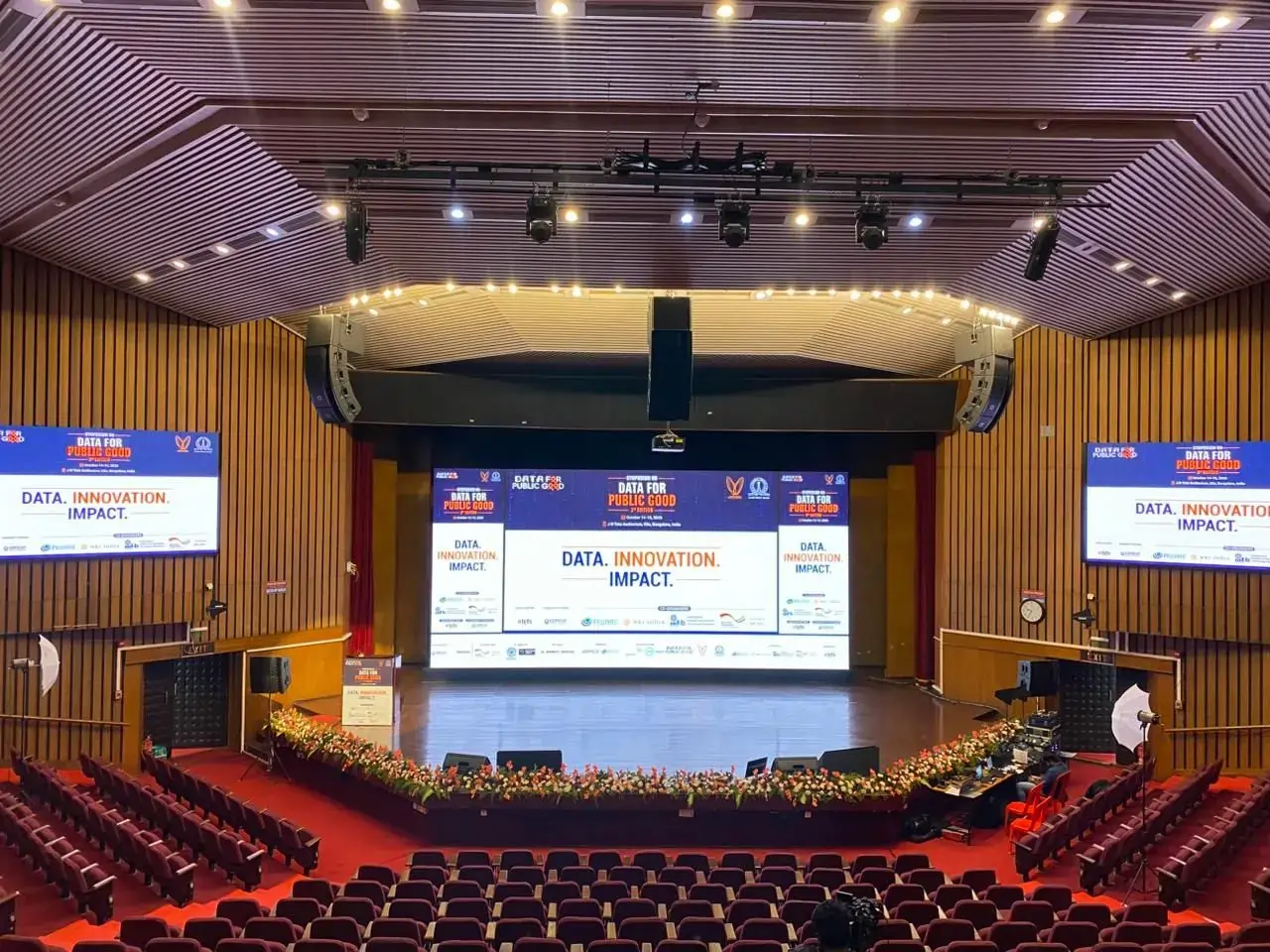
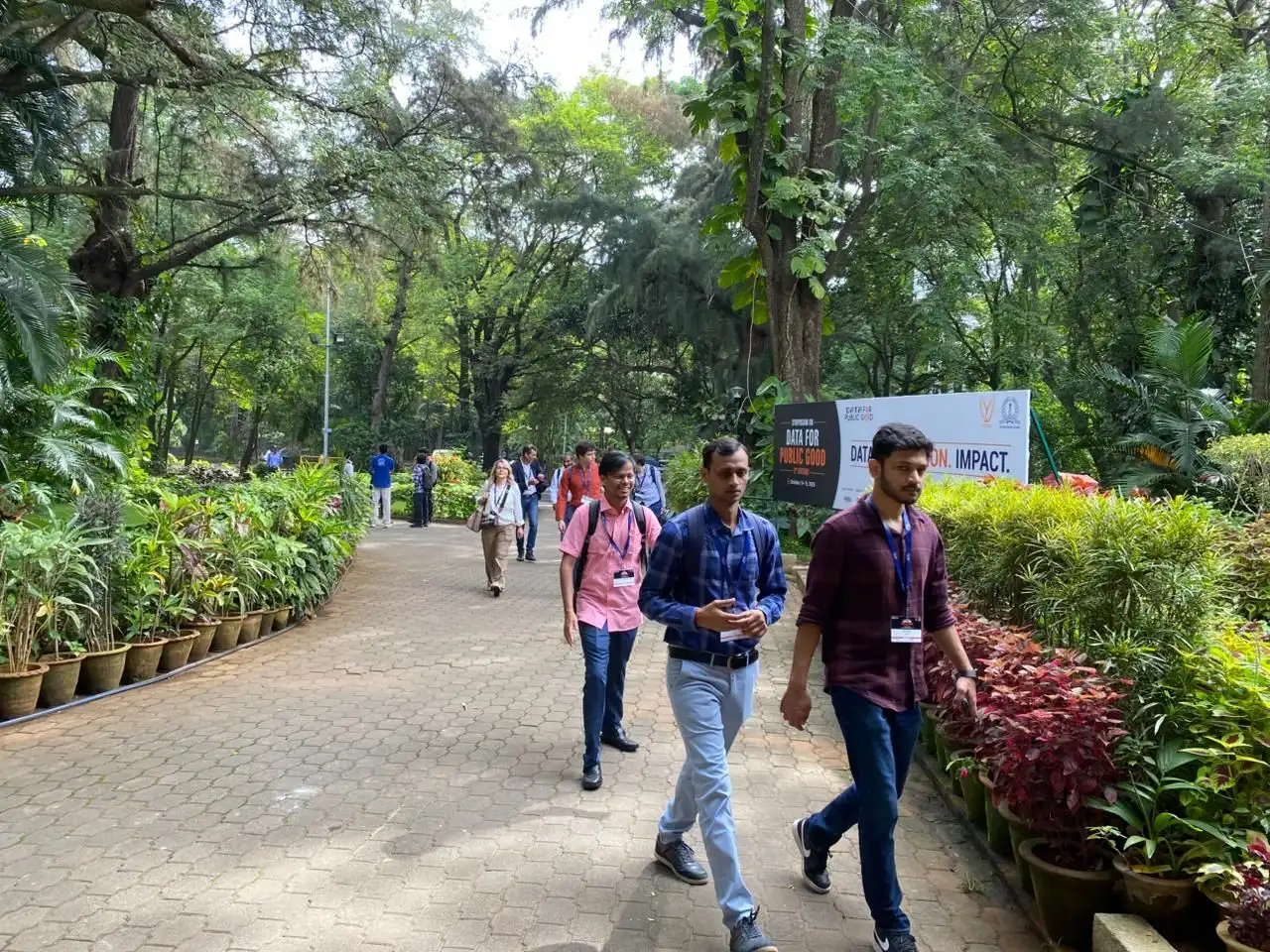
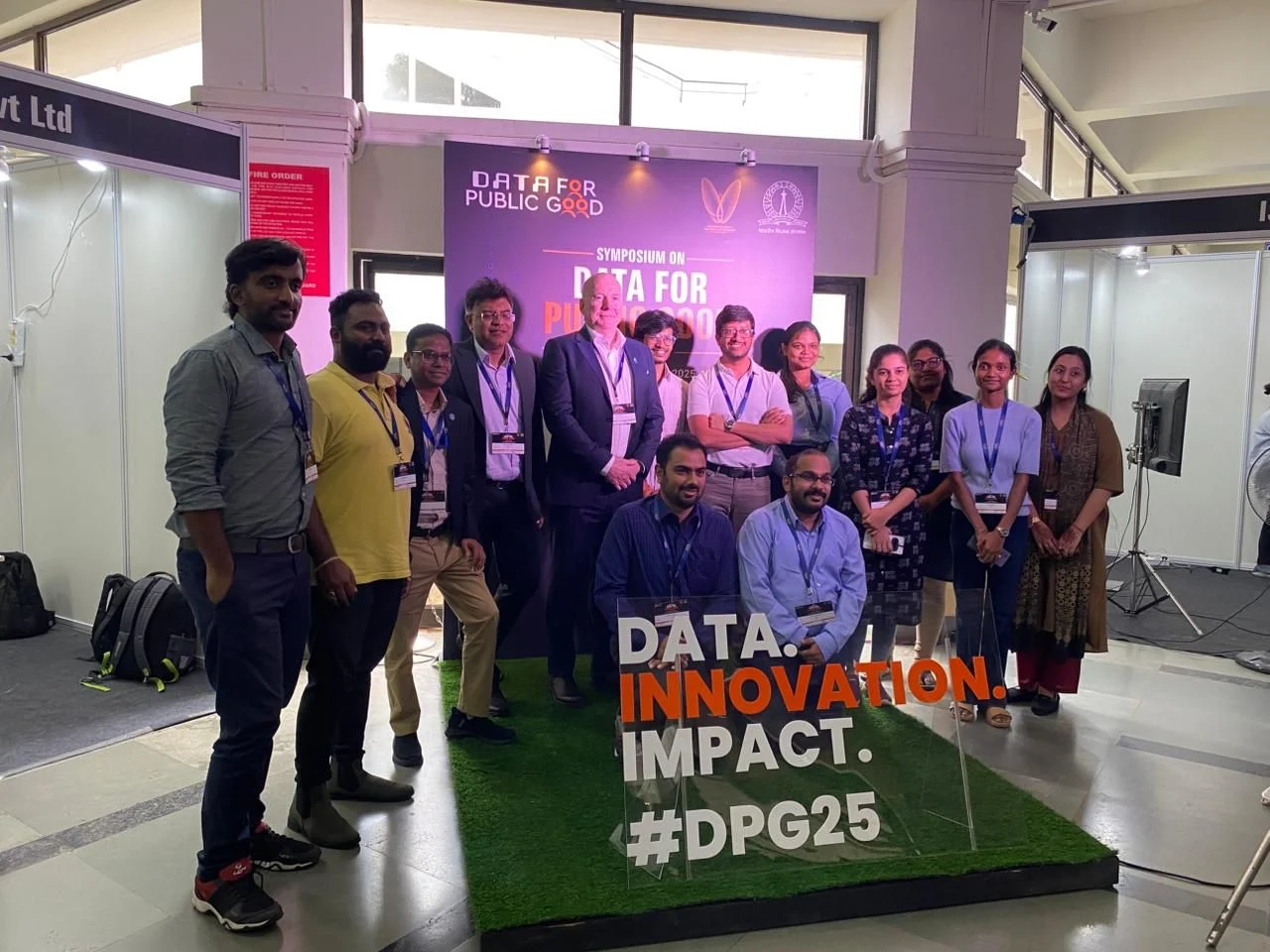
HIGHLIGHTS FROM LAST YEAR

Symposium on
Data for Public Good 2025

Join the conversation.

Connect with policymakers, researchers and industry leaders as we explore how trusted data ecosystems can drive innovation and societal impact.

Request an invite